
Researchers and Their Mentors
How to Change Your MindThe book’s scientific revival depends on relationships that pass methods and questions across generations, from early therapists to contemporary investigators.
increasing Bearing strength in each event
 decreasing
Bearing strength in each eventdecreasingOsmond Meets Huxley
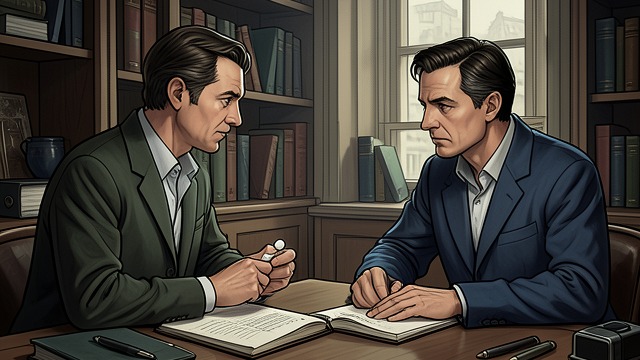
A Scientist and a Writer
An unusual collaboration
Humphry Osmond administers mescaline to Aldous Huxley, hoping the writer’s account will help make sense of the experience. The meeting joins clinical observation with literary interpretation.
Mutual influence
Huxley’s description changes cultural language, while Osmond’s scientific questions help shape the experiment. Their relationship complicates any simple divide between objective research and subjective testimony.
Hubbard Guides Osmond
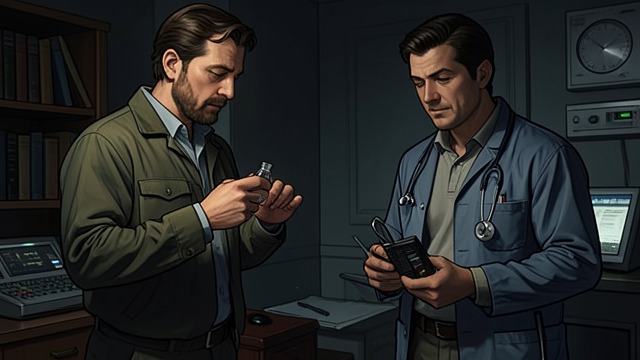
Practice Learns from Experience
A guide’s influence
Al Hubbard shares LSD and therapeutic techniques with Osmond. His attention to rooms, music, and suggestion influences the shape of high-dose treatment.
Expertise outside credentials
Hubbard’s lack of conventional training contrasts with his practical skill. Osmond’s willingness to learn from him reveals how the field depends on knowledge beyond formal institutions.
Stolaroff Learns from Hubbard

A Career Changes Course
A first session
Myron Stolaroff travels to Vancouver for an LSD experience guided by Hubbard. The journey convinces him that psychedelics can alter personality and reveal spiritual dimensions.
Commitment follows
Stolaroff leaves a successful engineering career to support research. The mentorship helps carry psychedelic work into the technology culture of Menlo Park.
Grof Trains a New Generation
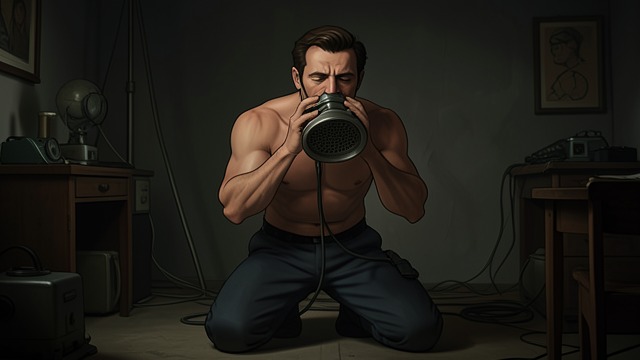
Knowledge Moves Without Institutions
Breathwork as a bridge
Stanislav Grof develops holotropic breathwork after LSD becomes illegal and shares knowledge of psychedelic therapy with selected trainees. Some later become underground guides.
A discreet lineage
The transmission preserves methods while requiring practitioners to operate outside formal approval. Its history helps explain the later permeability between underground practice and university trials.
Mentorship Reaches the Revival
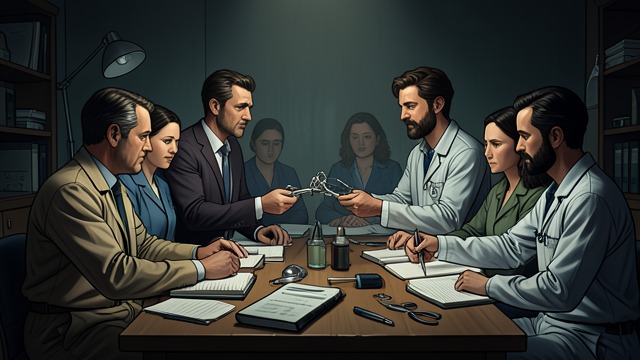
Old Knowledge, New Research
Methods return
Researchers draw on earlier protocols and consult experienced guides while designing modern studies. The revival is not a clean restart but a reconstruction informed by past relationships.
A cautious inheritance
Contemporary science seeks stronger evidence and oversight, yet still depends on practical knowledge about preparation and care. The partnership remains valuable and sometimes uneasy.
In 1953
From 1953 onward
In 1956
During the underground years
From the late 1990s through 2017
